
Canada’s international student population has fallen sharply, dropping from 673,920 study permit holders in December 2023 to just 460,695 by January 2026. This represents a decline of more than 200,000 students in roughly two years, a shift that’s reshaping campus demographics, housing markets, and the entire landscape for anyone considering studying in Canada.
The numbers tell a dramatic story. Between January and March 2026 alone, new student arrivals plummeted by approximately 75 percent compared to the same period in 2024. March 2026 saw only 2,085 new international students arrive, and from January through April 2026, a total of just 16,115 people became new study permit holders. These figures mark a historic reversal for a country that spent the past decade aggressively recruiting global talent.
What’s driving this collapse? Federal policy changes introduced in 2024 capped study permit applications, tightened financial requirements, and shifted admissions priorities. The goal was to ease pressure on housing and public services, but the impact has been swift and severe. For prospective students, this means less competition for spots at some institutions but also uncertainty about program availability and post-graduation work opportunities as schools adjust to smaller cohorts.
Understanding these enrollment trends matters whether you’re deciding where to apply, planning your finances, or navigating the Canadian job market after graduation. The international student experience in Canada looks fundamentally different in 2026 than it did just two years ago, and knowing the current reality helps you make informed choices about your academic future.
The Current Numbers: Where Canada Stands in 2026
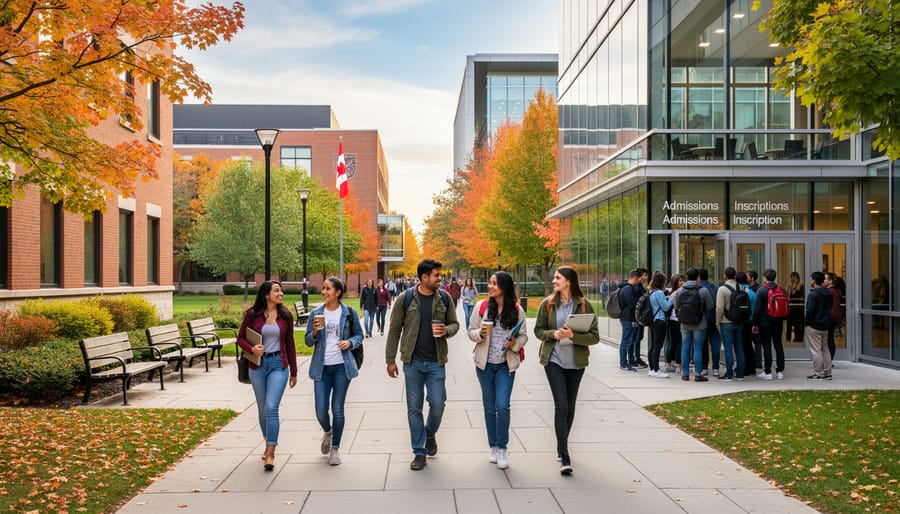
As of January 2026, Canada hosts 460,695 study permit holders marking a sharp departure from the 673,920 students in the country just over two years earlier in December 2023. This represents a substantial contraction in Canada’s international student population within a relatively short timeframe.
The scale of change becomes even more striking when you examine recent arrival patterns. Between January and March 2026, Canada saw approximately 75 percent fewer new student arrivals compared to the same period in 2024. March 2026 alone brought just 2,085 new international students to Canadian shores. To put this in perspective, only 16,115 people became new study permit holders during the entire four-month span from January through April 2026.
These figures come directly from Immigration, Refugees and Citizenship Canada, which tracks everyone holding valid study permits. The count includes only those whose primary authorization to stay in Canada is for study purposes, excluding people who hold work permits or other immigration statuses even if they’re also enrolled in courses.
What makes this data particularly relevant right now is how dramatically the trajectory shifted. The government had set a target of 305,900 student arrivals for 2025 through its Levels Plan, but actual numbers fell well short of that goal. Understanding where these numbers come from and what they represent helps you make realistic decisions about studying in Canada, whether you’re weighing application timing or adjusting your expectations about campus dynamics and support services.
Understanding the Decline: What Changed Between 2023 and 2026

The 2025 Levels Plan and New Targets
Canada’s Immigration, Refugees and Citizenship Canada (IRCC) set an ambitious target of 305,900 new international study permit holders for 2025 through its annual Levels Plan. This figure represented a deliberate cap intended to stabilize enrollment after years of rapid growth. The reality fell dramatically short.
By year’s end, actual arrivals came in well below expectations, with IRCC acknowledging fewer students arrived than the 305,900 benchmark. The gap wasn’t minor, it signaled a fundamental shift in how Canada manages international education. The first months of 2026 confirmed this trend: only 16,115 people became new study permit holders between January and April, compared to nearly four times that number during the same period in 2024.
This shortfall didn’t happen by accident. Stricter application requirements, longer processing times, and heightened scrutiny created barriers that many prospective students couldn’t overcome. The 2025 target assumed a controlled slowdown, but the actual decrease proved far steeper than policymakers anticipated. For students planning their Canadian education, this means navigating a system that’s still adjusting to its new constraints, where targets and outcomes don’t yet align.
What the Numbers Mean for Campus Life
The shift from 673,920 study permit holders in December 2023 to 460,695 by January 2026 represents more than numbers on a page, it’s reshaping the daily experience of Canadian campuses. Walk through any university quad today and you’ll notice the difference: fewer languages in conversation circles, quieter international student centers, and residence halls with different dynamics than just two years ago.
This reduced international presence directly affects campus diversity. Many universities built entire support ecosystems around larger international cohorts, dedicated cultural clubs, peer mentorship programs, and multilingual student services. With 75 percent fewer new arrivals in early 2026 compared to 2024, these services are consolidating or shifting focus. Some institutions have merged international and domestic student services, while others have reduced specialized programming that once catered to specific national groups.
The social fabric has evolved too. International students who arrived during the peak years found vibrant communities of peers from their home countries; those arriving now may be among only a handful in their program. This creates both challenges and opportunities: fewer immediate cultural connections, but stronger incentives to build broader networks and integrate across student populations.
For current students, the smaller cohorts mean more personalized attention from advisors and support staff, a silver lining to the contraction. Campus employers, from libraries to research labs, face less competition for student positions. The transition period feels uncertain, but universities are adapting their community-building approaches to this new reality.
How These Trends Impact Your Academic Journey

The dramatic shift in international student numbers reshapes your Canadian study experience in concrete ways. With only 16,115 new study permit holders arriving between January and April 2026, compared to previous years’ significantly higher influx, you’re entering a fundamentally different academic environment than students who came before you.
Competition for study permits has intensified sharply. Universities now receive applications from far more prospective students than the reduced permit allocations allow. This means stronger applicants rise to the top while borderline cases face higher rejection rates. Your application package needs to be airtight: clear academic credentials, well-articulated study plans, and solid financial documentation matter more than ever.
Campus resources are adjusting to smaller international cohorts. Some universities have shifted staffing and services based on anticipated enrollment numbers. International student support centres may operate with reduced hours or consolidated programming. Orientation sessions might be smaller, which can actually benefit you through more personalized attention, but you’ll need to be proactive about accessing available resources rather than expecting them to seek you out.
Program availability is shifting too. Institutions are recalibrating their international student targets across departments. Popular programs that relied heavily on international enrollment may reduce intake or increase selectivity. Less prominent programs might become more accessible as schools work to fill available spots. This creates both constraints and opportunities, secondary-choice programs could offer better scholarship potential or faster admission decisions.
The tighter enrollment environment also affects institutional priorities. Universities are focusing on student retention and success rates more intensely. They want students who will complete programs, maintain good standing, and contribute positively to campus life. Demonstrating genuine commitment to your chosen field and realistic post-graduation plans strengthens your position throughout the application process and during your studies.
Plan accordingly: apply earlier, cast a wider institutional net, and prepare thoroughly for increased scrutiny of your application.
Career Development Implications: Navigating a Changing Landscape
The sharp drop in international student arrivals creates an unexpectedly advantageous environment for those already studying in Canada or securing permits for 2026. With only 16,115 new study permit holders between January and April 2026 compared to previous years, you’re entering a less saturated job market where your post-graduation work permit carries more weight.
Smaller cohorts mean reduced competition for entry-level positions and internships that specifically target recent graduates. Employers who previously sorted through hundreds of international graduate applications now face a tighter talent pool. This shift favors candidates who can demonstrate clear skill differentiation and strategic career positioning. Take time now to optimize LinkedIn with concrete project outcomes and measurable achievements rather than generic skill lists.
The reduced enrollment also reshapes networking dynamics on campus. Smaller international student communities create tighter professional circles, making it easier to build meaningful connections with peers who’ll become future colleagues and collaborators. Focus on depth over breadth in your networking efforts. Join industry-specific student groups, participate actively in co-op programs, and seek mentorship from faculty members who can open doors to Canadian employers.
Your career planning should account for this changing landscape by emphasizing skills that Canadian employers consistently need: strong communication abilities, cultural adaptability, and technical competencies aligned with in-demand sectors like technology, healthcare, and engineering. Leverage career development tools through your institution’s career services to identify skill gaps early and address them through strategic course selection, certifications, or volunteer work.
The current environment rewards proactive planning. Start researching post-graduation work permit requirements and employer sponsorship pathways in your first year rather than waiting until graduation approaches. Understanding these processes early gives you time to build the qualifications and relationships that convert temporary permits into long-term career opportunities in Canada.
Strategic Considerations for Prospective International Students
The 75% drop in new student arrivals and the shift to 460,695 study permit holders by January 2026 has fundamentally changed the application landscape. With only 2,085 students arriving in March 2026, competition for available permits has intensified, requiring prospective students to approach their applications with greater strategic precision than ever before.
Start Earlier and Plan for Delays
Processing times have become less predictable as IRCC manages the new targets. Submit applications at least four to six months before your program start date, rather than the previously standard three months. Early submission gives you buffer time if documentation requests arise and allows you to respond to changing requirements without jeopardizing your enrollment timeline.
Choose Institutions Strategically
Not all universities face the same enrollment pressure. Research institutions with strong international student support infrastructure and those that have maintained stable acceptance rate patterns through recent policy shifts. Smaller universities and colleges in provinces outside Ontario and British Columbia may offer better approval odds and more personalized support services in the current environment.
Build an Exceptionally Strong Application
With fewer permits being issued, marginal applications face rejection. Ensure your acceptance letter, financial proof, and study plan documentation exceed minimum requirements. Demonstrate genuine ties to your home country, clear post-graduation plans, and sufficient funds covering not just tuition but living expenses for your entire program duration. Generic applications won’t survive the current scrutiny.
What Industry Experts and Institutions Are Saying
Canadian universities and immigration consultants are responding to the enrollment shifts with a mix of cautious optimism and strategic recalibration. Many institutions have quietly begun redirecting recruitment budgets toward domestic student outreach and revamping orientation programs to better support smaller international cohorts with more personalized services.
Immigration experts emphasize that the decline doesn’t signal Canada’s withdrawal from international education, but rather a reset toward sustainable growth. Several consultants report that their clients now face longer processing times and heightened scrutiny of financial documentation, with successful applicants typically demonstrating stronger academic credentials and clearer post-graduation plans than in previous years.
Universities are adapting their support infrastructure accordingly. Some have consolidated international student services to maintain quality while working with reduced numbers, while others are expanding mental health resources and academic advising, recognizing that students navigating this uncertain policy environment need more comprehensive guidance. Accessibility teams note that these structural changes present opportunities to address hidden barriers that affect all students, not just international learners.
The consensus from educational leaders? The current landscape rewards preparation and resilience. Students who demonstrate genuine commitment to their chosen programs and understand Canada’s evolving immigration framework will find pathways forward, even as the overall numbers stabilize at levels significantly below the 2023 peak.
Common Questions About International Student Numbers in Canada
How many international students are currently in Canada?
As of January 2026, Canada has 460,695 people holding only a study permit, down from 673,920 in December 2023. This represents a significant decline of over 30% in just over two years.
Are study permit applications still being processed?
Yes, applications continue to be processed, but arrivals have dropped dramatically. Between January and April 2026, only 16,115 people became new study permit holders, reflecting both policy changes and processing realities.
Will international student numbers increase again?
The government’s 2025 Levels Plan targeted 305,900 new student arrivals, but actual numbers fell short. Future enrollment will depend on evolving immigration policies and how institutions adapt their recruitment strategies.
What do these changes mean for getting a study permit?
The reduced numbers indicate a more selective environment. Applications now face stricter scrutiny, longer processing times in some cases, and institution-specific caps that limit available spots for international students.
The enrollment drop hasn’t affected all programs equally. Some fields still see strong international interest, while others have experienced sharper declines. Your specific program choice, institution reputation, and application strength matter more now than during the higher-volume years of 2023-2024.
Post-graduation work permit eligibility remains tied to program length and institutional designation, but the reduced international cohort means less competition for some campus resources and potentially stronger connections with faculty and advisors. March 2026 saw just 2,085 new international students arrive, creating smaller incoming classes that might offer advantages for those who do secure permits.
Plan for a competitive application environment regardless of when you apply. The gap between the government’s targets and actual arrivals suggests that policy adjustments will continue shaping the international student landscape throughout 2026 and beyond.
Canada’s international student landscape has shifted dramatically. With 460,695 study permit holders as of January 2026, down from 673,920 in December 2023, the environment you’re navigating looks fundamentally different than it did just two years ago. This isn’t a reason to lose confidence in your educational goals. It’s a call to approach your Canadian study plans with sharper strategy and clearer information.
Whether you’re planning to apply or already studying here, success now requires staying informed. Monitor Immigration, Refugees and Citizenship Canada (IRCC) announcements directly for policy updates that affect permit processing and caps. Check your target institution’s official international student office for enrollment trends and support resources, they’re adapting quickly to serve smaller cohorts more effectively.
Position yourself strategically. If you’re applying, build a stronger application that addresses selection criteria head-on. If you’re already enrolled, connect deeply with campus resources, develop marketable skills, and network intentionally in a less crowded field. The reduced competition for work permits and campus opportunities can work to your advantage if you act deliberately.
Your academic and career future in Canada remains achievable. The numbers have changed, but informed, proactive students still find their path forward.