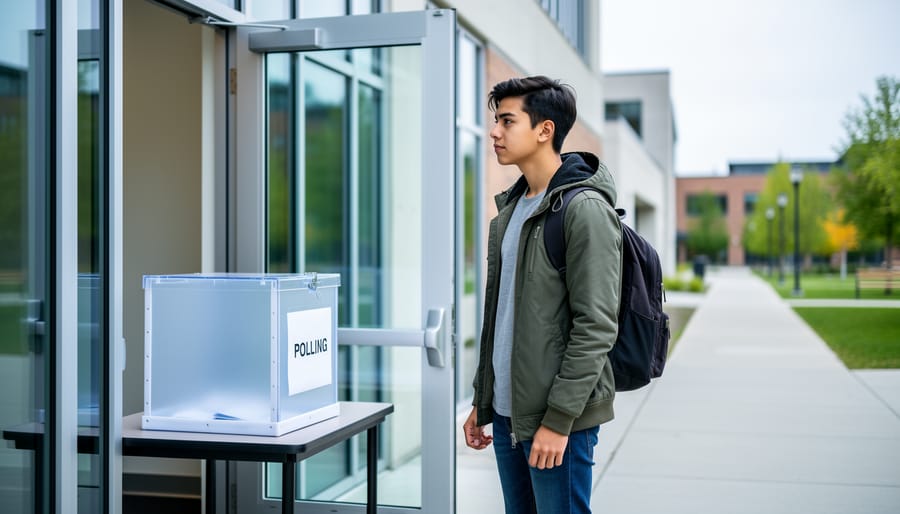
No, international students cannot vote in Canadian elections. The reason is straightforward: only Canadian citizens aged 18 or older who can prove their identity and address are eligible to cast a ballot in federal, provincial, or municipal elections. Citizenship, not residency, is the deciding factor.
If you’re an international student studying in Canada, you’ve likely noticed voting activity on campus during election season or received information about polling stations. While you can’t participate in the electoral process itself, understanding why helps you navigate your rights and responsibilities as a temporary resident. The citizenship requirement exists across all levels of government, and there are no exceptions for students, regardless of how long you’ve lived in Canada or whether you pay taxes.
This doesn’t mean you’re powerless in shaping the communities where you live and study. You can take control of your campus experience through student government participation, advocacy groups, and community organizations that welcome non-citizen involvement. These platforms let you influence policy decisions that directly affect student life, from housing and transit to tuition and campus services. Many student unions actively recruit international voices because your perspective strengthens the conversation about issues that matter to the entire student body.
Why International Students Can’t Vote: Understanding Canada’s Citizenship Requirement
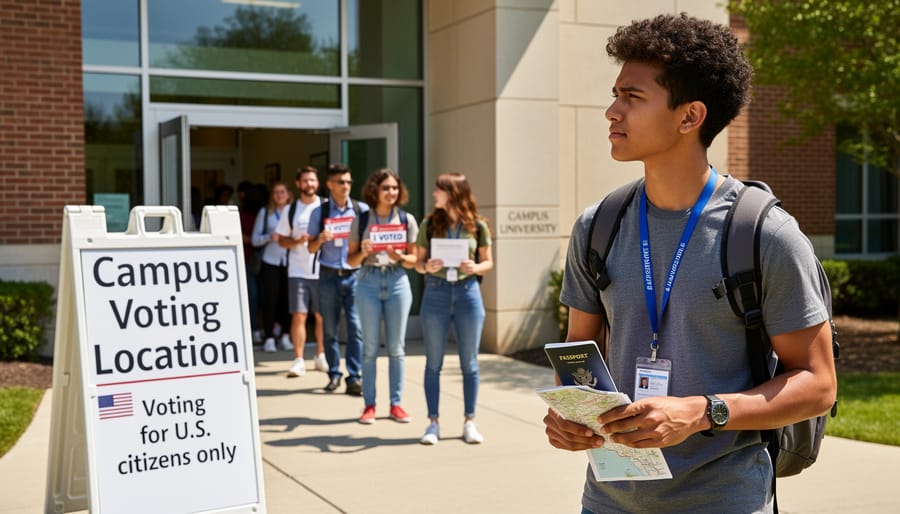
Canada’s voting system is built on a straightforward foundation: eligibility rests entirely on citizenship, not residency or community ties. To cast a ballot in any Canadian election, you must meet three non-negotiable requirements. First, you must be a Canadian citizen, holding a study permit, work permit, or even permanent resident status doesn’t count. Second, you need to be at least 18 years old on election day. Third, you must prove your identity and address when you register or vote.
For international students, the citizenship barrier is absolute. It doesn’t matter if you’ve studied in Canada for four years, pay taxes on part-time income, volunteer in your community, or feel deeply connected to campus life. Without citizenship, you’re ineligible to participate in federal, provincial, and municipal elections. This rule applies uniformly across all levels of government, there are no exceptions for long-term residents, no special provisions for students who plan to immigrate, and no distinction between someone who arrived last month and someone finishing their graduate degree.
The rationale is straightforward: voting is reserved for citizens because it determines who governs the country and shapes policies that affect Canada’s future. Citizenship represents a permanent commitment and full membership in the political community. International students hold temporary status tied to their studies, which means they haven’t made that formal, lasting commitment through the citizenship process.
Understanding this bright line helps you avoid confusion during election periods, especially when you see voter registration drives on campus or classmates discussing candidates. The eligibility rules are clear, consistent, and rooted in citizenship alone.
What Elections This Applies To (And Campus Voting Explained)
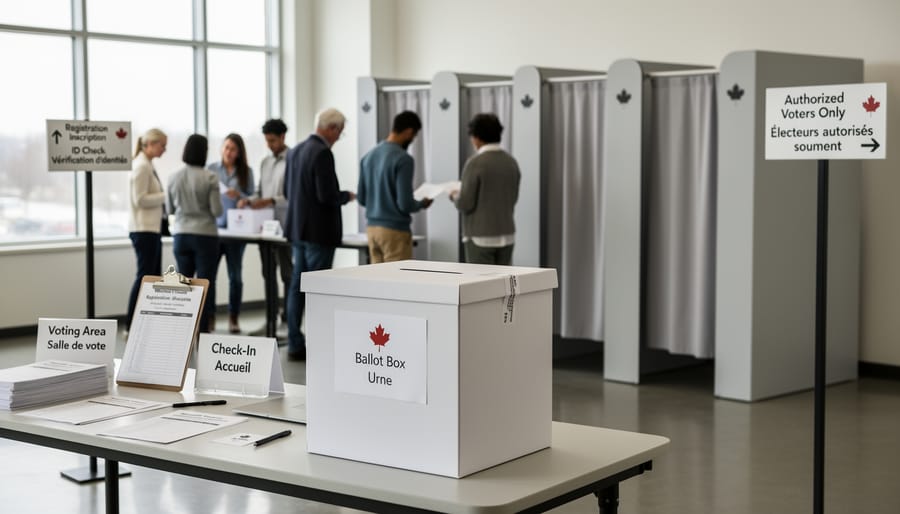
The citizenship requirement that bars international students from voting applies across all levels of Canadian elections. You cannot cast a ballot in federal elections (which determine Canada’s prime minister and members of parliament), provincial or territorial elections (which decide premiers and provincial legislatures), or municipal elections (which elect mayors and city councils). No matter how active you are in your community or how long you’ve been studying in Canada, your international student status means you’re excluded from the electoral process at every government level.
This can feel particularly confusing during election periods when you see voting activity happening right on campus. Many Canadian universities and colleges host special ballot voting locations, which allow eligible voters to cast their ballots early or if they’re away from their home riding on election day. These campus polling stations are set up for the convenience of Canadian citizen students, faculty, and staff, not for international students. The presence of voting booths in your student union building or campus centre doesn’t change your eligibility. Only Canadian citizens aged 18 or older who can prove their identity and address are permitted to vote at these locations.
Even Canadian citizens who’ve moved abroad retain voting rights that international students living in Canada don’t have. Citizens living outside the country may register on the International Register of Electors, a database maintained by Elections Canada. Once registered, they automatically receive mail-in special ballot voting kits for federal general elections, by-elections, and referendums. This demonstrates how deeply tied voting rights are to citizenship rather than residency or community connection.
Understanding these boundaries helps you avoid confusion when elections roll around. You won’t receive voter registration cards, and your name won’t appear on any voter lists, because the system is designed exclusively for Canadian citizens. Accepting this reality frees you to focus your energy on the many other ways you can contribute to campus and community life.
How to Verify Your Voting Eligibility and Find Official Information
If you’re unsure about your voting eligibility, the first step is to go directly to the authoritative source: Elections Canada. Visit to confirm the citizenship requirement and other eligibility criteria for federal elections. For provincial and municipal elections, check your province or territory’s official election website (such as Elections Ontario, Elections BC, or Élections Québec). These sites lay out exactly who can vote and how to register.
If you’re confused about your own status, maybe you’ve applied for permanent residency or you’re unsure whether you hold citizenship, contact Immigration, Refugees and Citizenship Canada (IRCC) or check your immigration documents. Your study permit, work permit, or permanent resident card clearly indicates your status. Only Canadian citizens appear on official voter lists, so if you’re a permanent resident or on a study permit, you won’t be registered and cannot vote.
These official sources also explain voter registration processes, polling locations, and deadlines, but the core rule remains unchanged: citizenship is non-negotiable. If you’re planning to apply for citizenship in the future, you’ll automatically gain voting rights once you take the oath and receive your citizenship certificate. Until then, focus your energy on other forms of civic participation that don’t require citizenship, and use these official channels to stay informed and avoid confusion during election periods.
Other Ways to Get Involved: Advocacy, Campus Engagement, and Community Participation

You can’t vote, but you can still shape the conversation. International students bring fresh perspectives, diverse experiences, and a stake in the issues that affect campus and community life. Channeling that energy into advocacy, leadership, and engagement builds the same skills that voting represents, critical thinking, public speaking, coalition-building, and the ability to influence change.
Start on campus. Join your student union or run for a student government position. These roles give you a direct voice in decisions about campus services, student life policies, and how student fees are allocated. You’ll learn to navigate bureaucracy, negotiate with administrators, and advocate for your peers, all transferable skills that employers value. Many student unions also run issue-based campaigns on housing affordability, mental health resources, or international student support, offering a concrete way to make an impact.
Participate in advocacy campaigns that align with your values. Organizations focused on climate action, housing rights, or educational equity often welcome international students as volunteers, organizers, or spokespeople. You don’t need citizenship to attend town halls, sign petitions, or speak at public consultations. Local councils and university administrations frequently seek community input, and your perspective as an international student adds depth to those discussions.
Volunteer with community organizations. Food banks, literacy programs, newcomer settlement services, and environmental groups all need committed people. Volunteering demonstrates initiative and community commitment on your resume, expands your professional network, and connects you to mentors who can open doors in your field. It’s also a practical way to understand Canadian workplace culture and develop professional growth outside the classroom.
Attend campus issue-based groups, whether they focus on equity, sustainability, or academic policy. These groups organize events, host speakers, and lobby for change. Your participation signals leadership potential and a willingness to engage beyond your immediate academic goals. Use career development tools offered by your university’s career centre to frame these experiences on your resume and in interviews, translating advocacy work into evidence of leadership, communication, and project management skills.
Civic engagement isn’t just about casting a ballot. It’s about contributing your voice, building coalitions, and creating change in the spaces where you live and study. Those experiences strengthen your resume, deepen your network, and position you as a leader, regardless of citizenship status.
Understanding Your Rights and Responsibilities as an International Student
While you can’t vote in Canadian elections, you do have important rights and responsibilities that shape your experience here. Knowing both sides helps you make informed decisions and avoid issues that could derail your studies or career prospects.
Your rights as an international student include access to healthcare coverage in provinces like British Columbia, Alberta, and Saskatchewan through your study permit (though Ontario and Quebec require private insurance). If you work on or off campus, you’re protected by provincial employment standards, minimum wage, workplace safety, and protection against discrimination all apply to you just as they do to Canadian workers. You also have academic rights: fair treatment in your program, access to support services, and the ability to challenge unfair academic decisions. Canada’s Charter of Rights and Freedoms protects your freedom of expression, meaning you can speak out on issues, attend protests, and participate in campus debates without legal repercussions.
Your responsibilities center on maintaining legal status and meeting financial obligations. You must comply with all conditions of your study permit: enroll in and actively pursue your designated program, maintain full-time student status each semester (unless approved for part-time study), and work only within permitted limits (20 hours per week off-campus during the academic term, full-time during scheduled breaks). If you work in Canada, you must file income taxes annually, even if you didn’t earn much, this creates a tax record that can help with future immigration applications. Keep your study permit valid and apply for extensions well before expiration.
Understanding these rights and responsibilities isn’t just about compliance. It’s about protecting your investment in your education and career future, ensuring nothing disrupts your path to graduation and beyond.
Common Questions About International Students and Voting in Canada
Can I vote if I have a work permit or permanent residency application in progress?
No. Having a work permit or an application for permanent residency in process does not grant you voting rights. Only Canadian citizens can vote in federal, provincial, and municipal elections, regardless of how long you’ve been in Canada or what immigration status you hold. Permanent residents, even those who’ve received their PR status, cannot vote until they complete the citizenship process and become Canadian citizens.
What if I’ve lived in Canada for years?
Length of residence doesn’t change the eligibility requirement. You could be in your fourth year of studies or have been living in Canada for a decade on a study permit, but without Canadian citizenship, you cannot vote in any Canadian election. The citizenship requirement is absolute and applies equally to all non-citizens, including long-term residents and international students in Canada who are deeply integrated into their communities.
Can I participate in student referendums on campus?
This depends entirely on your student union’s rules. Campus-based student referendums (such as votes on student union matters, club funding, or campus issues) are typically open to all enrolled students, regardless of citizenship. Check with your student union or campus governance office to confirm eligibility for specific votes. These referendums are separate from federal, provincial, or municipal elections and offer a legitimate way to have your voice heard on campus matters.
What happens if I try to vote without citizenship?
Attempting to vote without being a Canadian citizen is illegal and can have serious consequences. You could face criminal charges, fines, and potential immigration consequences that might affect your study permit or future applications for permanent residency. If you’re unsure about your eligibility, verify with Elections Canada rather than risk your status.
Are there any exceptions to the citizenship rule?
No. There are no exceptions that allow international students to vote in Canadian elections. The rule is straightforward: you must be a Canadian citizen to vote, and there are no special provisions for students, long-term residents, or anyone else who lacks citizenship.
Can I help a friend or family member who is a Canadian citizen with their vote?
Yes. You can accompany Canadian citizens to polling stations, discuss political issues, and encourage eligible voters to participate. You simply cannot cast a ballot yourself or register to vote.
Understanding these distinctions helps you navigate election periods confidently and avoid confusion when you see voting activity on campus or in your community. While you can’t vote in government elections, you have plenty of other avenues to engage civically and develop leadership skills that strengthen your academic experience and career prospects.
To be clear: international students cannot vote in Canada because voting requires Canadian citizenship. This isn’t a reflection of your value or contribution to campus life, it’s simply a legal requirement that applies to all federal, provincial, and municipal elections.
But here’s what matters: your voice still counts. You don’t need a ballot to make an impact. Join student government, volunteer for causes you care about, advocate for policy changes that affect international students, and participate in campus campaigns. These experiences build leadership skills, expand your network, and strengthen your resume, all critical assets for your career after graduation.
Understanding your rights and limitations isn’t about what you can’t do. It’s about knowing where you stand so you can focus your energy on the opportunities that are open to you. Canada offers international students a rich environment for personal growth, professional development, and community engagement. Take full advantage of it. Your time here is valuable, and how you choose to engage will shape both your academic experience and your future career path.