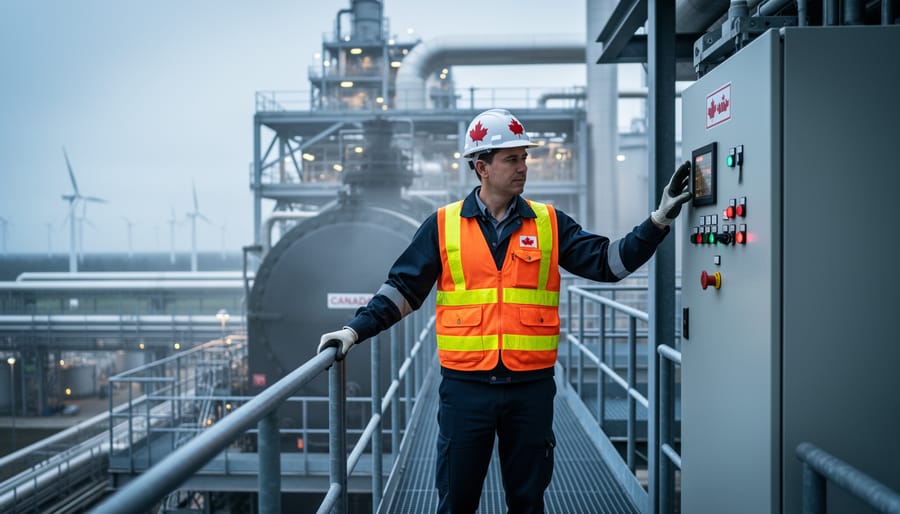
A power engineer career offers a stable, well-paid path into the energy sector, with roles spanning electricity generation plants, manufacturing facilities, hospitals, and commercial buildings. These professionals operate and maintain boiler and pressure systems that keep our infrastructure running, earning competitive salaries while working in an industry that’s evolving rapidly with renewable energy integration and smart grid technology. If you’re looking to find your calling in a technical field that combines hands-on problem-solving with long-term job security, power engineering deserves serious consideration.
The profession operates on a tiered certification system, meaning you can start working with an entry-level Fourth Class certificate and advance through Third, Second, and First Class designations as you gain experience. This structure creates a clear career ladder with increasing responsibility and pay at each level. You’ll enter the field through a specialized diploma program at a technical college, typically requiring 18 to 24 months of study, followed by mandatory work experience to qualify for higher certifications.
What makes power engineering particularly attractive right now is the demographic shift happening across the sector. A significant portion of the current workforce is approaching retirement, creating substantial demand for new talent. At the same time, Canada’s push toward net-zero emissions by 2050 is transforming what power engineers do, adding renewable energy systems, energy efficiency projects, and building automation to traditional fossil-fuel operations.
The educational investment is modest compared to a four-year university degree, yet graduates consistently find employment with strong benefits and pension plans. Understanding the power engineer salary in Canada and the various specializations available will help you map out whether this career aligns with your goals and interests.
What Does a Power Engineer Actually Do?
If you’ve ever wondered who keeps the lights on, the heat running, and the machinery humming in massive buildings and facilities, you’re about to meet your answer. Power engineers are the hands-on professionals who operate, maintain, and oversee the equipment that generates and distributes energy, think boilers, turbines, chillers, generators, and entire heating, ventilation, and air conditioning systems that power everything from hospitals to manufacturing plants.
Unlike design-focused engineers who spend most of their time at a computer, power engineers work directly with physical systems. You might start your shift by checking pressure gauges and temperature readings, then adjust equipment to optimize efficiency. Throughout the day, you’ll perform preventive maintenance, troubleshoot problems when something isn’t running right, and respond quickly if an alarm signals an issue. You’re the person who ensures a hospital never loses power during surgery or that a manufacturing line keeps running without interruption.
Your work environment changes depending on where you’re employed. Some power engineers work in industrial power plants that supply electricity to thousands of homes. Others maintain systems in universities, hospitals, office towers, or refineries. Expect time in boiler rooms and mechanical spaces, environments that can be hot, loud, and require physical work, but also in control rooms monitoring sophisticated digital systems that manage modern energy infrastructure.
Here’s what sets power engineering apart from other engineering careers: you’re not just analyzing problems or creating designs for someone else to build. You’re the one making real-time decisions that directly impact operations right now. When equipment fails at 2 a.m., you’re the expert who fixes it. When energy costs spike, you’re the problem-solver who adjusts systems to save money. It’s hands-on, high-responsibility work where you see the immediate results of your knowledge and decisions every single shift.
Why the Energy Sector Needs Power Engineers Right Now
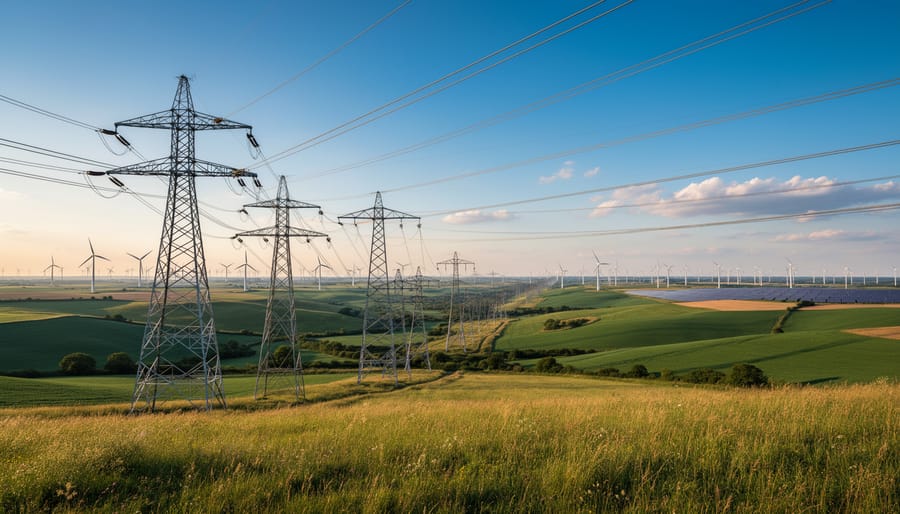
The energy sector is at a turning point, and that’s creating real opportunity for people entering the field right now. Canada and much of the developed world are dealing with aging infrastructure that’s been in service for decades. Power plants built in the 1970s and 1980s need experienced hands to keep them running safely until new facilities come online. At the same time, the push toward renewable energy is accelerating, which means new solar farms, wind installations, and battery storage systems all need skilled operators and maintenance teams.
What makes this particularly promising is that we’re not just replacing old systems with new ones. We’re adding capacity. The shift to electric vehicles, the electrification of heating systems, and the growth of data centers are all driving up electricity consumption. Meeting that demand requires more power engineers across every part of the industry.
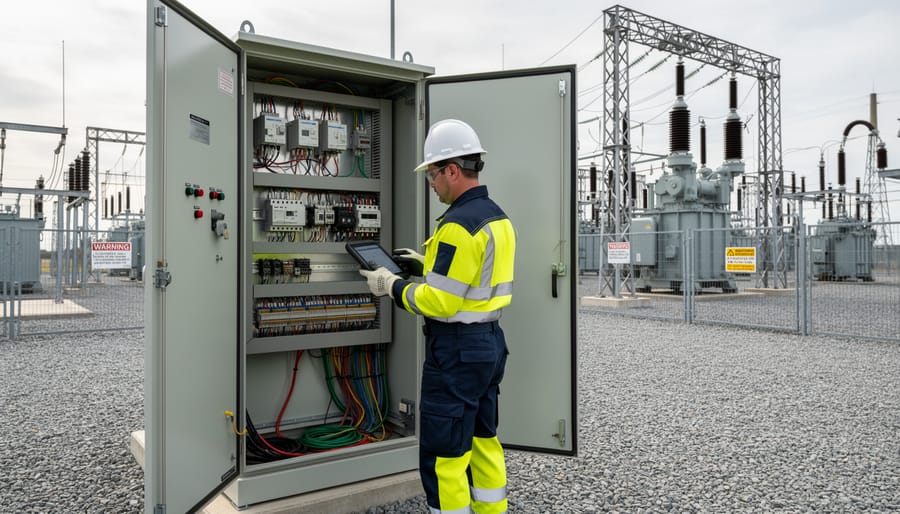
Grid modernization adds another layer of complexity and opportunity. Older electrical grids weren’t designed to handle power flowing in multiple directions or to integrate intermittent renewable sources. Upgrading these systems to be smarter and more resilient creates steady work for power engineers who understand both traditional and emerging technologies. Industry projections show strong energy workforce demand continuing through the next decade and beyond.
The result is a field with genuine job security. Unlike some industries that automate roles away, power generation facilities require on-site professionals who can respond to changing conditions and make critical decisions in real time. Whether you’re interested in keeping a nuclear plant running smoothly or launching a career with a renewable energy company, the opportunities are there. The sector isn’t just hiring to replace retiring workers. It’s expanding to meet the challenges of a more complex energy landscape.
Educational Pathways: How to Become a Power Engineer

College Programs and Technical Training
Technical colleges offer the most direct route into power engineering, with diploma programs specifically designed to prepare you for certification exams and real-world plant operations. These programs typically run between one and two years, depending on whether you’re pursuing a basic certificate or a more comprehensive diploma.
Most technical college programs follow a progressive structure aligned with provincial or state power engineering certification levels. You’ll start with foundational courses covering thermodynamics, heat transfer, electricity, and mechanical systems before advancing to specialized topics like boiler operations, refrigeration systems, turbines, and control instrumentation. The curriculum balances classroom theory with hands-on lab work, giving you practical experience with the actual equipment you’ll operate on the job.
What sets technical training apart is its direct industry connection. Many colleges partner with power plants and industrial facilities to provide co-op placements or field training as part of the program. You’ll learn to read blueprints, interpret technical specifications, understand safety protocols, and troubleshoot equipment problems, skills you’ll use immediately after graduation.
Technical college programs are also more affordable and faster than university degrees, making them ideal if you want to start earning quickly. Admission requirements are generally accessible, often requiring just a high school diploma with credits in math and science. Some colleges even offer evening or part-time options for students who need to work while studying.
University Degree Options
University degrees offer a different path into power engineering, one that opens doors to design, research, and project management roles that technical diplomas don’t typically access. If you’re interested in developing new energy systems rather than just operating them, a bachelor’s degree might be your route.
Three main degree programs lead to power engineering careers. Mechanical engineering gives you a broad foundation in thermodynamics, fluid mechanics, and heat transfer, essential for understanding how power plants convert fuel to electricity. Electrical engineering focuses on power systems, grid infrastructure, and control systems, preparing you for transmission and distribution roles. Some universities offer specialized power engineering degrees that combine both disciplines with energy-specific coursework.
These programs typically take four years full-time and include co-op placements where you’ll gain hands-on experience. You’ll study advanced mathematics, physics, and engineering principles that technical college programs don’t cover in the same depth.
A degree makes sense if you want to design power systems, manage large projects, or move into senior technical positions. Engineers with degrees can become professional engineers (.), which is required for certain roles and comes with higher earning potential. The trade-off is time and cost, you’ll spend four years and significantly more money compared to a two-year technical diploma.
Many students start with a technical diploma, work for a few years, then pursue a degree part-time while employed. This approach lets you earn while you learn and clarifies whether advanced roles genuinely interest you.
Career Specializations and Industry Opportunities
Traditional Power Generation
Traditional power plants, whether coal, natural gas, or nuclear, still generate the majority of electricity across North America and employ thousands of power engineers. These facilities offer structured career paths, strong unions, comprehensive training programs, and some of the highest salaries in the field.
Coal and natural gas plants need power engineers to monitor boilers, turbines, and control systems around the clock. You’ll work in rotating shifts, conducting equipment inspections, adjusting parameters to maximize efficiency, and responding to operational issues. While coal capacity is declining, existing plants require skilled engineers to maintain safe operations until decommissioning.
Nuclear facilities represent the premium tier of traditional power generation. These roles demand the highest certification levels and offer corresponding compensation, often $90,000 to $130,000 annually with extensive benefits. The rigorous safety protocols, complex systems, and critical nature of nuclear operations create steady demand for qualified engineers.
What makes traditional generation attractive for new graduates is the established infrastructure for training. Large utilities invest heavily in onboarding programs, mentorship, and structured advancement. You gain hands-on experience with industrial-scale equipment that forms the foundation for any power engineering specialization you might pursue later.
Renewable and Clean Energy
The renewable energy sector is where much of the action is happening for power engineers right now. Wind farms need engineers to maintain turbines and manage power output across entire facilities. Solar installations, from utility-scale arrays to distributed generation systems, require professionals who understand both the electrical systems and thermal management. Hydroelectric facilities offer stable, long-term career opportunities with established infrastructure that still demands modern control systems expertise.
What’s particularly exciting are the emerging technologies gaining traction in 2026. Hydrogen production facilities are starting to appear, creating entirely new roles for power engineers who can work with electrolyzers and fuel cell systems. Geothermal plants, especially in regions with suitable geology, need engineers who understand both conventional steam cycles and the unique challenges of geothermal heat extraction. Many renewable facilities operate remotely, meaning you might work on innovative projects in diverse locations while enjoying competitive wages that often match or exceed traditional power generation roles.

Industrial and Commercial Facilities
Manufacturing plants, hospitals, universities, and large commercial buildings all need power engineers to keep their facilities running smoothly. These settings offer a different pace than utility-scale power generation, you’re maintaining boilers, HVAC systems, chillers, and backup generators that directly support daily operations.
In hospitals, you ensure uninterrupted power for life-saving equipment and maintain strict environmental controls for operating rooms and patient areas. Universities rely on power engineers to manage central heating plants that serve entire campuses, often with combined heat and power systems that reduce costs and emissions.
Manufacturing facilities need power engineers to optimize steam systems, compressed air networks, and process heating that keep production lines moving. You’ll troubleshoot equipment, plan maintenance shutdowns, and often suggest energy-saving improvements that boost the bottom line.
What makes industrial and commercial roles attractive? Regular Monday-to-Friday schedules are more common than in utilities, though many facilities still require rotating shifts to ensure 24/7 coverage. You build deeper knowledge of your specific facility’s systems, and your work directly impacts the people who depend on that building every day. Salary ranges match utility positions, with similar benefits packages and advancement opportunities.
What You’ll Actually Earn: Salary and Benefits Breakdown
Money matters when choosing a career direction, so here’s what power engineers actually make. Entry-level Fourth Class engineers typically start between $45,000 and $55,000 annually, but that figure climbs quickly with experience and certification advancement. Third Class operators average $60,000 to $75,000, while Second Class engineers command $75,000 to $95,000. First Class power engineers often earn $90,000 to $120,000 or more, particularly in industrial settings or remote locations.
Beyond base salary, the compensation picture gets more attractive. Most power engineer positions include shift work premiums that add 10-15% to your hourly rate for evening and night shifts. Overtime is common in this field, and since many facilities operate 24/7, you’ll often have opportunities to increase your take-home pay substantially, some engineers report overtime adding $10,000 to $25,000 to their annual income.
Benefits packages in the energy sector tend to be comprehensive. Expect full health and dental coverage, pension plans with employer matching (often 5-8% of salary), and paid training for certification upgrades. Many employers cover the cost of your next-level certification exam and required study materials. Larger facilities and utility companies may also offer tuition reimbursement if you pursue additional engineering credentials.
Location dramatically affects earning potential. Remote or fly-in-fly-out positions in northern mining operations or isolated power facilities can pay $120,000 to $150,000 even for mid-level engineers, though you’ll work rotational schedules like two weeks on, two weeks off. Urban hospital or university positions might pay less but offer stable day shifts and proximity to family.
Skills That Will Set You Apart
Technical certifications and classroom learning will get you hired, but the power engineers who advance fastest bring something extra to the job. While you’re building your technical foundation, start developing these skills that employers consistently value.
Problem-solving under pressure separates good engineers from great ones. Power systems don’t fail during convenient daytime hours. When equipment malfunctions at 3 AM, you need to diagnose issues quickly, make sound decisions with incomplete information, and implement solutions that keep systems running safely. Practice this now by working through technical scenarios, troubleshooting equipment in labs, and learning to stay calm when things go wrong.
Communication skills matter more than most students expect. You’ll write detailed log entries, explain technical issues to non-engineers, and coordinate with maintenance teams. The ability to document clearly and speak plainly about complex systems makes you invaluable. Take any opportunity to present technical information to classmates or explain concepts to someone outside your field.
Digital literacy is no longer optional. Modern power facilities use sophisticated control systems, data analytics, and automation. Get comfortable with industrial software, learn basic data analysis, and understand how digital systems integrate with physical equipment. Familiarity with building automation systems, SCADA platforms, and energy management software gives you an edge.
Attention to detail can literally save lives. Small oversights in power systems create massive consequences. Develop meticulous habits now: double-check your calculations, follow procedures exactly, and never assume equipment is safe without verification. This mindset becomes automatic with practice and distinguishes professionals employers trust with critical systems.
Getting Your First Power Engineering Job
Landing your first power engineering position starts long before you graduate. Most successful candidates begin building their industry presence during their training program. Co-op placements and internships aren’t just résumé boosters, they’re your most direct path to full-time employment. Many power plants and industrial facilities hire their co-op students directly after graduation because they’ve already proven themselves on the job. If your program offers co-op terms, prioritize them even if it extends your graduation timeline by a few months.
Entry-level employers care about three things: your certification level, hands-on experience, and reliability. They expect you’ll need training on their specific systems, but they want evidence you can follow procedures, work safely, and communicate clearly with your team. Your LinkedIn profile should highlight any practical experience, even volunteer work maintaining equipment at a community center or assisting with building systems shows initiative.
To position yourself for success, follow this action plan:
- Apply for every co-op and internship opportunity your college posts, even if the location isn’t ideal, experience matters more than geography early on.
- Join your provincial power engineering association as a student member to access job boards and attend industry events where hiring managers network.
- Connect with instructors who have industry contacts and ask them to recommend you for open positions, personal referrals carry significant weight.
- Prepare for shift work reality by emphasizing flexibility in interviews and acknowledging you understand the 24/7 nature of power operations.
- Study the facilities you’re applying to so you can speak knowledgeably about their systems and show genuine interest in their operations.
Don’t limit yourself geographically at first. Remote locations and smaller facilities often hire entry-level engineers more readily than major urban plants, and the experience you gain will open doors elsewhere. Learning to network effectively at industry conferences and through association events can lead to opportunities that never get posted publicly. Many hiring managers prefer referrals from trusted colleagues over applications from job boards. Your first position might not be your dream job, but it’s the foundation for everything that follows.
Career Growth and Long-Term Prospects
Your power engineering career isn’t a straight line, it’s a ladder with multiple rungs and several interesting detours along the way. Most graduates start as Fourth Class operators, logging hours and learning systems hands-on. Within two to five years of solid experience and passing your Third Class exam, you’ll handle more complex equipment and earn noticeably more responsibility (and pay).
The climb continues. Second Class certification typically opens doors to shift supervisor roles where you coordinate teams and make operational decisions. First Class tickets let you run entire facilities or oversee multiple sites. At each level, you’re not just collecting certifications, you’re building judgment, learning when procedures need bending, and developing the confidence to solve problems nobody’s seen before.
But technical progression isn’t your only path. Many experienced power engineers transition into management, becoming operations managers, facility directors, or regional supervisors. Others become specialists in areas like emission control, energy efficiency consulting, or renewable integration, niches where deep technical knowledge combines with emerging industry needs.
Continuing education matters throughout your career. Power engineering associations offer professional development courses on new technologies, safety standards, and regulatory changes. Some engineers pursue additional certifications in automation, environmental systems, or project management. Universities now recognize power engineering credentials for advanced standing in degree programs if you decide to add a bachelor’s later.
The best part? Unlike fields where your hard-won skills become obsolete, power engineering fundamentals remain relevant while the specific technologies evolve. You’re building a career foundation that adapts rather than expires, with clear advancement opportunities tied to measurable qualifications rather than office politics.
The energy sector isn’t just hiring power engineers, it’s actively searching for them. Right now, while you’re weighing your options, power plants, renewable energy facilities, and industrial operations across the country need skilled professionals who can keep critical systems running safely and efficiently.
What makes this opportunity so accessible is the flexibility of entry paths. You don’t need to commit to a four-year university program if that doesn’t fit your situation. Technical colleges offer focused diploma programs that can launch your career in under two years. From there, you can advance through certification levels while earning a solid income, building real experience on the job.
The timing couldn’t be better. The energy transition happening right now means you’d be entering a field that’s simultaneously maintaining essential infrastructure and building the clean energy systems of tomorrow. That’s job security paired with genuine impact.
Your first step is straightforward: research accredited power engineering programs at technical colleges and universities in your region. Most institutions offer campus tours and program advisors who can answer your specific questions about prerequisites, costs, and career outcomes. Many also connect students directly with industry employers through co-op placements and job fairs.
Connect with working power engineers through LinkedIn or industry events. Ask about their path into the field. Most professionals in this sector are eager to help newcomers understand what the career truly involves.
The opportunities are there. The pathway is clear. What happens next is up to you.