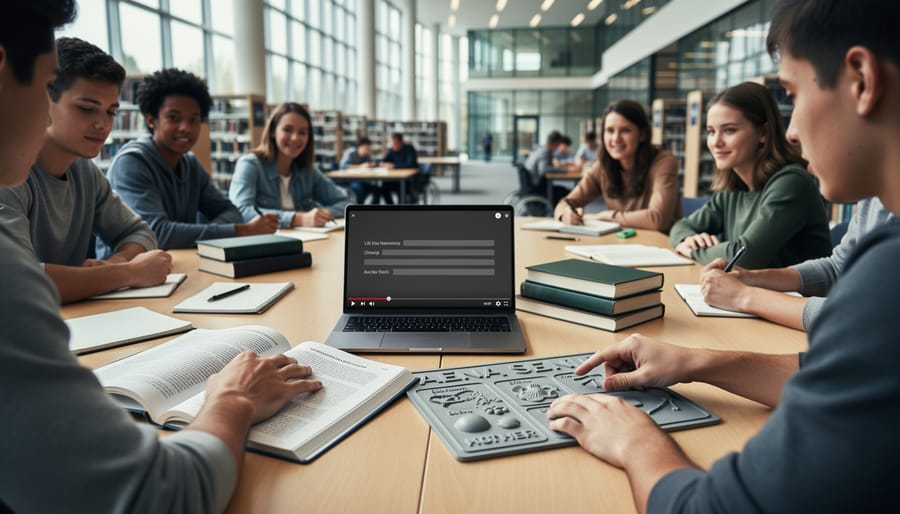
Knowledge accessibility means everyone can find, understand, and use information regardless of their background, abilities, or resources. In 2026, this goes far beyond simply putting content online. It’s about removing the real barriers that keep students from accessing textbooks they can’t afford, research papers locked behind paywalls, lectures that exclude people with disabilities, and educational materials written in ways that only experts can understand.
The stakes are high. When knowledge stays locked away, opportunities disappear with it. Students drop courses because required materials cost hundreds of dollars. Talented researchers miss breakthrough discoveries because they can’t access key journals. People with visual or hearing impairments get shut out of online courses that weren’t designed with them in mind.
But here’s what matters: accessibility isn’t charity or an extra feature. It’s the foundation of fair education. Universities, libraries, and digital platforms are finding that when they prioritize accessibility from the start, everyone benefits. Open educational resources, properly captioned videos, screen-reader-friendly websites, and plain-language explanations don’t just help traditionally underserved groups. They make learning better for all students.
This shift is happening right now. Educational institutions are partnering with accessibility experts to redesign how they share knowledge. Students are advocating for change on their campuses. The question isn’t whether to make knowledge accessible anymore. It’s how quickly we can get there and what concrete steps you can take today to either access the resources you need or help others do the same.
What Knowledge Accessibility Means in Practice
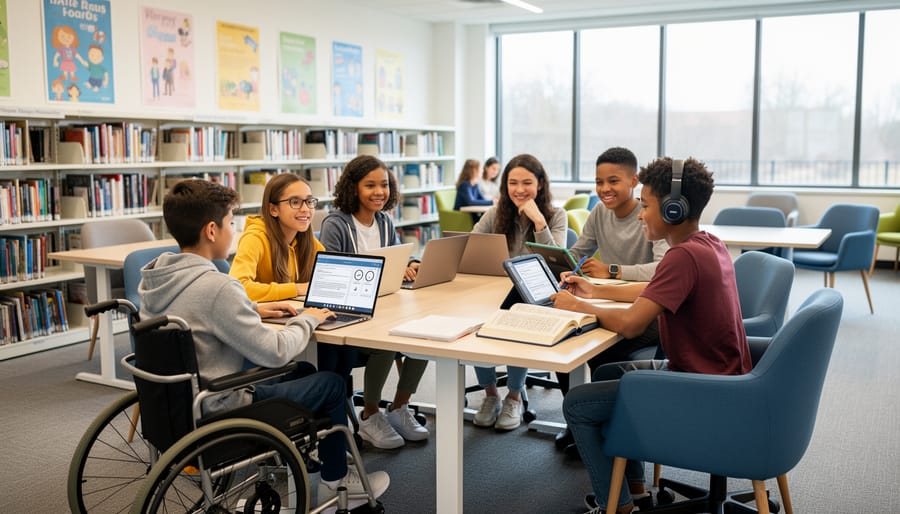
Knowledge accessibility goes far beyond making sure a building has ramps or that books are available in the library. It’s about ensuring that once you reach information, you can actually understand and use it, regardless of your background, abilities, or circumstances.
At its core, knowledge accessibility means presenting information in ways that diverse learners can absorb. A PDF that’s technically “available” online but can’t be read by screen readers isn’t truly accessible to blind students. A research paper written in dense academic language might as well be locked behind a wall for someone without years of specialized training. When platforms and institutions commit to genuine accessibility, they consider the full journey from discovering information to applying it.
Digital accessibility focuses on the technical side: properly tagged documents, keyboard navigation, captions for videos, and compatibility with assistive technologies. Universities and educational platforms are increasingly testing their content with real users who rely on these tools, not just checking compliance boxes.
Information design looks at how content is structured and presented. This includes breaking complex ideas into digestible chunks, using clear headings, incorporating visuals that support the text, and designing layouts that don’t overwhelm. The goal is reducing cognitive load so learners can focus on understanding concepts rather than decoding presentation.
Language clarity addresses the words themselves. Using plain language doesn’t mean dumbing down content, it means explaining necessary technical terms and avoiding jargon when simpler words work just as well. For international students or those new to a field, this can mean the difference between grasping a concept and giving up in frustration.
Equitable distribution ensures knowledge reaches everyone who needs it. This covers providing materials in multiple formats (text, audio, video), offering resources at no cost when possible, and ensuring reliable access for students with limited bandwidth or older devices. True knowledge accessibility recognizes that not everyone has the latest laptop or unlimited data plans.
Common Barriers That Block Access to Educational Knowledge
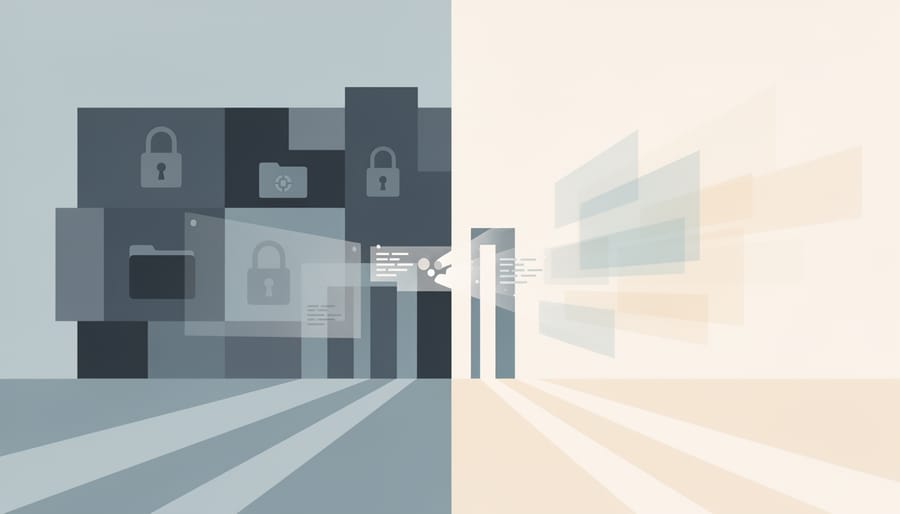
Students encounter frustrating roadblocks every day when trying to learn, many of which have nothing to do with their ability or motivation. These hidden barriers shape who gets access to educational knowledge and who doesn’t.
Paywalls top the list. Journal articles, textbooks, and specialized databases often sit behind subscription walls that cost hundreds or thousands of dollars. Research shows financial barriers deter enrollment and prevent students from accessing the materials they need to succeed. When a single textbook costs $200, many students simply go without.
Academic jargon creates another wall. Professors and researchers write for other experts, layering discipline-specific terms that make content impenetrable for newcomers. Studies confirm that jargon impairs first-read comprehension forcing students to decode language before they can even engage with ideas. This isn’t about dumbing down content; it’s about unnecessary complexity that excludes learners.
Format limitations block students with different needs. PDF scans don’t work with screen readers. Video lectures without captions leave deaf students behind. Dense text-only materials ignore visual learners entirely. Educational institutions frequently publish content in a single format, assuming everyone learns the same way.
Language barriers extend beyond non-English speakers. Even native speakers struggle when instructions are vague, assignments lack clear examples, or key concepts hide in walls of text. International students face compounded challenges when materials assume cultural context they don’t share.
Technology requirements create a digital divide. Assuming students own laptops, have reliable internet, or can afford software licenses leaves economically disadvantaged learners at a permanent disadvantage. Colleges often underestimate how many students are accessing courses entirely from phones or shared library computers.
How Educational Institutions Are Making Knowledge More Accessible
Open Educational Resources and Free Learning Materials
Open educational resources (OERs) eliminate the cost barrier that often prevents students from accessing essential learning materials. These freely available textbooks, course materials, and video lectures mean you don’t have to choose between buying course materials and covering rent or food costs.
Major platforms like OpenStax offer peer-reviewed textbooks covering introductory subjects from biology to business, saving students hundreds of pounds per semester. MIT OpenCourseWare provides lecture notes, assignments, and recorded lectures from actual MIT courses, completely free. Khan Academy delivers thousands of instructional videos across subjects, while YouTube channels from universities worldwide share lectures that were once confined to physical classrooms.
The quality matches or exceeds traditional materials because OERs undergo rigorous peer review and benefit from continuous improvement by educators worldwide. Many universities now build entire courses around open resources, ensuring students have day-one access to everything they need. Community colleges particularly embrace OERs to support students facing financial constraints.
Beyond textbooks, open materials include practice problems, lab simulations, and interactive exercises. You gain the same knowledge without the financial burden, making education more equitable and reducing the stress that comes with expensive course requirements.
Designing Content for Different Learning Styles
Educational institutions recognize that learners process information differently, and they’re adapting materials accordingly. Visual learners benefit from infographics, diagrams, color-coded notes, and video demonstrations that illustrate concepts spatially. Many universities now provide lecture slides with accompanying visuals and encourage instructors to supplement text-heavy materials with charts and flowcharts.
Auditory learners gain more from recorded lectures, podcasts, and discussion-based learning. Institutions are expanding audio options beyond traditional lectures, offering narrated presentations and voice-recorded feedback. Some platforms let students listen to textbook content at adjustable speeds, making study sessions fit individual preferences.
Kinesthetic learners need hands-on experiences. Labs, simulations, interactive exercises, and project-based assignments help them grasp abstract concepts through doing. Virtual labs and digital simulations have made these opportunities more accessible, especially for distance learners who can’t always access physical facilities.
Beyond these three categories, institutions implement specific accommodations for students with disabilities. Screen reader compatibility ensures blind students can navigate course materials. Captioned videos serve deaf students and those in noisy environments. Dyslexia-friendly fonts, adjustable text sizes, and extended time options recognize that processing differences require format flexibility.
The most effective approach combines multiple formats for every topic. When a chemistry lesson includes written explanations, video demonstrations, audio summaries, and practice problems, every student finds an entry point that works for their learning style and accessibility needs.
Practical Steps to Improve Your Own Access to Knowledge
You don’t need to wait for institutions to change, you can improve your access to educational knowledge starting today. These practical strategies help you navigate around common barriers and connect with resources that many students overlook.
- Start with your library’s full digital catalog. Most university and public libraries offer far more than physical books. Search their online databases for journal articles, e-books, streaming documentaries, and research papers. Librarians can show you specialized subject databases you might not discover on your own, and many offer one-on-one research consultations by appointment or chat.
- Request alternative formats when standard versions don’t work. If a required textbook isn’t available in a format you can use, ask your disability services office, instructor, or publisher about accessible versions. Large-print, audio, digital text, and braille formats exist for many educational materials. Don’t assume you’re stuck with what’s initially provided.
- Use built-in accessibility tools on your devices. Screen readers, text-to-speech functions, magnification tools, and browser extensions that simplify text layout are already installed on most computers and phones. Experiment with these features to find what makes reading and learning easier for you. Many are free and work across different platforms.
- Build a peer knowledge network. Connect with classmates or colleagues who can share notes, explain concepts differently, or point you toward resources they’ve found useful. Study groups and online student communities often fill gaps that formal channels miss. Learning happens through conversation, not just official materials.
- Advocate directly when information is unclear or inaccessible. Email instructors or supervisors when assignment instructions are confusing, ask for clarification on jargon-heavy documents, and suggest improvements to course materials. Most educators want their content to be understood and will adjust when students speak up. Your feedback helps break hidden barriers for everyone.
Track which strategies work best for your learning style and situation. What helps you access knowledge today might change as your needs or available technology evolves, so stay open to trying new approaches.
The Role of Technology in Knowledge Accessibility
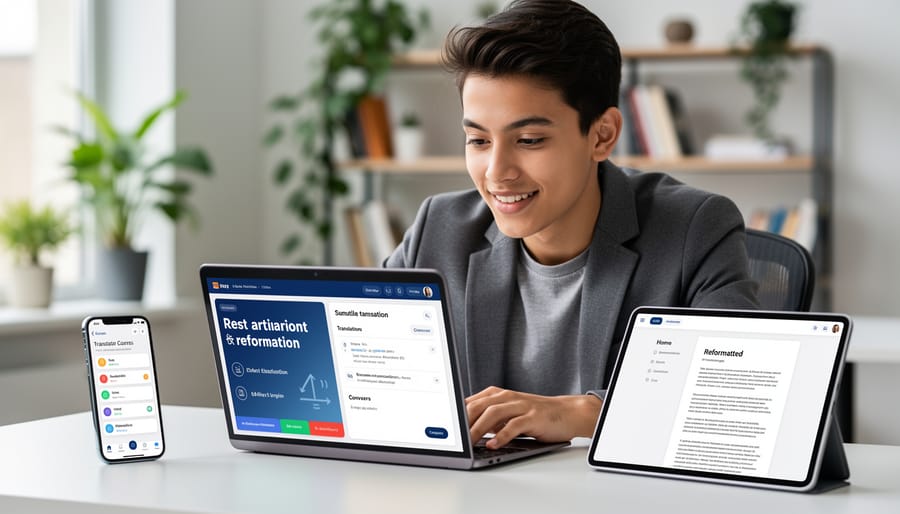
Technology shapes knowledge accessibility in profound ways, creating new pathways to information while introducing fresh challenges. The right tools can eliminate barriers instantly, but poorly designed systems can exclude entire groups of learners.
Screen readers and text-to-speech software have transformed how students with visual impairments access written content. These tools convert digital text into synthesized speech or refreshable braille, making textbooks, articles, and course materials navigable. Similarly, speech-to-text applications help students with physical or learning disabilities participate in discussions and complete assignments. Translation tools break language barriers, allowing non-native speakers to engage with educational content in their preferred language, though accuracy varies and context sometimes gets lost.
Learning management systems centralize course materials, but their accessibility depends entirely on how institutions implement them. Platforms that follow WCAG guidance for accessibility support keyboard navigation, screen reader compatibility, and clear visual hierarchies. Those that don’t can lock students out of essential resources. Mobile-friendly design matters too, many students rely on smartphones as their primary internet device, so content that only works well on desktop computers creates an unnecessary access barrier.
Emerging technologies like AI-powered captioning and real-time transcription services are making lectures and video content more accessible. Browser extensions that simplify text complexity or adjust colour contrast give students more control over how they consume information. Understanding online accessibility standards helps you evaluate whether educational platforms truly serve diverse learners or just claim to.
The key is recognizing that technology itself isn’t the solution, thoughtful implementation is. The best digital tools put control in students’ hands, adapting to individual needs rather than forcing everyone into a single format.
Why Knowledge Accessibility Matters for Your Career
Access to clear, usable information directly shapes your ability to compete in the job market and advance professionally. When learning materials are locked behind barriers, whether financial, technical, or format-based, you’re left trying to build skills with incomplete resources while others may have full access. This creates unequal starting points that affect everything from interview preparation to certification courses.
Career transitions particularly demand accessible knowledge. If you’re moving from one field to another, you need to absorb large amounts of new information quickly. Paywalled research articles, jargon-heavy industry reports, or video content without transcripts slow this process or stop it entirely. accessible learning platforms that offer multiple formats, clear language, and open resources let you learn at your own pace without constantly hitting dead ends.
The professionals who succeed long-term are those who keep learning throughout their careers. Accessible knowledge makes continuous education realistic rather than aspirational. You can quickly reference technical documentation, follow industry developments, or complete short courses between work commitments when the information is designed for actual use. This ongoing learning keeps your skills current and your career options open, regardless of your financial situation or learning preferences.
Frequently Asked Questions
How do I request accessible formats for course materials?
Contact your institution’s disability services office or accessibility coordinator directly, and specify what format you need (PDF with proper tags, audio version, large print, or digital text). Most universities have formal request processes, and they’re legally required to provide reasonable accommodations, though you may need documentation of your specific needs.
Is accessible content lower quality than standard materials?
No. Accessible content maintains the same information and academic rigour as any other format. Making materials accessible simply means presenting information in ways that work for different needs and devices, which often improves clarity for everyone.
What should I do when required information isn’t available in an accessible format?
Speak with your instructor first to explain the barrier you’re facing. If they can’t help, escalate to your department head or accessibility office, which can often convert materials or find alternative resources that cover the same content.
How can I advocate for better accessibility at my institution?
Join or form a student accessibility committee, provide specific feedback about barriers you encounter, and work with student government to push for accessibility policies. Institutions respond most effectively to concrete examples of problems and clear suggestions for solutions.
These questions reflect real concerns students face when navigating educational systems that weren’t designed with universal access in mind. Knowing your rights matters. Under disability discrimination laws in most countries, educational institutions must provide equal access to learning materials, which means you shouldn’t have to fight for every accommodation or feel like you’re asking for special treatment.
The quality question comes up frequently because some students worry that requesting alternative formats marks them as needing “simplified” content. That’s a misconception rooted in outdated views of accessibility. When universities create properly accessible materials, they benefit all students: captions help non-native speakers, structured documents work better with search functions, and clear layouts reduce cognitive load for everyone.
If you’re consistently hitting barriers, document them. Note which courses, which materials, and what specifically doesn’t work. That record becomes powerful when you’re advocating for change, whether through formal channels or student-led initiatives. Many accessibility improvements at universities have started because one student raised a specific issue that turned out to affect dozens of others.
Knowledge accessibility isn’t just a nice-to-have feature of modern education, it’s the foundation of genuine opportunity. When information is locked behind barriers, whether financial, linguistic, or technical, talented students and professionals get left behind through no fault of their own. The playing field only levels when everyone can access the knowledge they need to learn, grow, and compete.
You now have concrete tools to improve your own access: library resources, accessibility features, alternative formats, and peer networks. Use them. But don’t stop there. Speak up when course materials aren’t accessible. Ask professors for clearer explanations. Share resources with classmates who are struggling to find information. Request accommodations without apology.
Educational institutions and platforms are making progress, but lasting change happens when students and young professionals demand it. Every time you advocate for better knowledge accessibility, for yourself or others, you’re pushing the system toward greater equity. The career you’re building and the education you’re pursuing depend on accessing the right information at the right time. Make sure those doors stay open, and help others walk through them too.