
Your career won’t advance on ambition alone. You need the right tools to translate goals into action, and the most effective approach combines skill-building platforms, strategic planning resources, and feedback mechanisms that work together to create measurable progress.
Career development tools in 2026 fall into three essential categories: assessment tools that help you understand your strengths and gaps, learning platforms that build marketable skills, and tracking systems that measure your growth over time. Think of LinkedIn Learning or Coursera for skill development, personality assessments like CliftonStrengths or Myers-Briggs for self-awareness, and digital portfolios or project management apps for documenting your achievements. The difference between someone who stalls at entry level and someone who advances isn’t talent. It’s systematic use of these resources.
Most students and young professionals make the same mistake: they collect tools but never integrate them into a consistent practice. They sign up for online courses but don’t complete them. They take career assessments but ignore the results. They attend networking events but fail to follow up. The tools themselves are only half the equation. What matters is building a repeatable process that turns insights into action and action into results.
This guide walks you through selecting the right tools for your current career stage, implementing them in a way that fits your schedule, and avoiding the common pitfalls that waste time without producing growth. You’ll learn not just which resources to use, but how to use them strategically to create momentum that employers and mentors actually notice.
What You’ll Need: Essential Career Development Tools and Resources
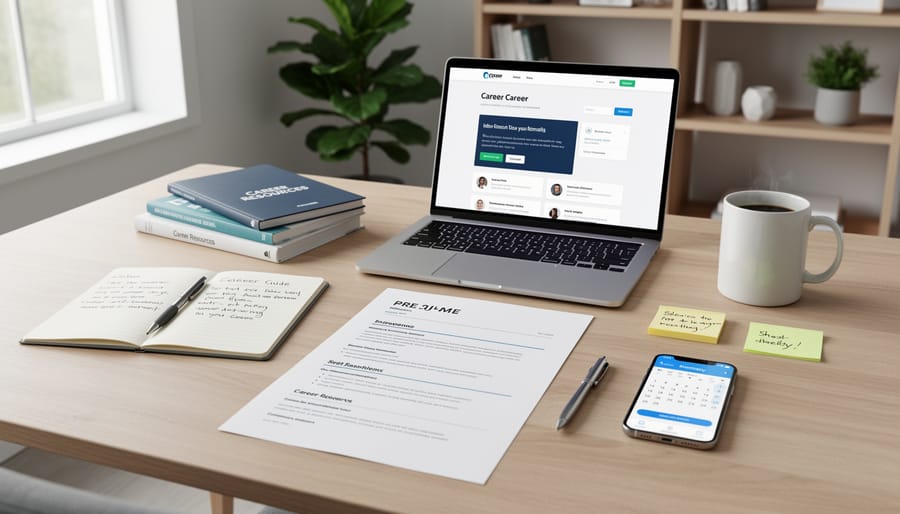
Before you start mapping your career path, gather these essential resources. Think of this as assembling your professional toolkit, having the right instruments ready makes the journey smoother and more strategic.
Digital Platforms Form Your Foundation
Career assessment tools help you understand where you excel and what drives you. Platforms like 16Personalities, MyPlan, and What Career Live? offer free personality inventories and skills assessments that reveal patterns you might not see on your own. LinkedIn serves as your digital professional hub, not just for job hunting, but for learning industry trends, following companies, and understanding what skills employers value. Portfolio builders like Behance, Canva, or Google Sites let you showcase projects and accomplishments in a format that employers can actually see, which matters far more than describing your work in text alone.
Core Tools by Category
- Assessment platforms: personality tests, skills inventories, values clarification exercises, career interest quizzes
- Networking tools: LinkedIn, alumni networks, virtual coffee platforms, industry-specific communities
- Learning resources: Coursera, LinkedIn Learning, industry certifications, webinar platforms
- Tracking systems: goal-setting apps, progress journals, interview preparation tools, application trackers
Physical and Institutional Resources Still Matter
Keep updated resume templates in multiple formats, Word, PDF, and plain text versions for different application systems. Maintain a contacts list with names, roles, and brief context notes from networking conversations; this simple spreadsheet prevents awkward “remind me how we met” moments later.
Your university or college career services office offers resources most students underuse: mock interviews, resume reviews, employer connections, and workshops on everything from salary negotiation to professional etiquette. These services are already paid for through your fees, and career counselors understand student-specific challenges better than generic online advice.
Mentorship programs, whether through your institution, industry associations, or platforms like MentorcliQ, provide guidance that tools alone can’t offer. A mentor who’s navigated your desired field helps you interpret what the data and assessments mean in real-world terms.
Start with three to five tools rather than attempting to use everything at once. Pick one assessment tool, one networking platform, one learning resource, and one tracking method. You can always expand as you understand which tools actually help versus which just create busy work.
Before You Start: Important Considerations and Common Pitfalls
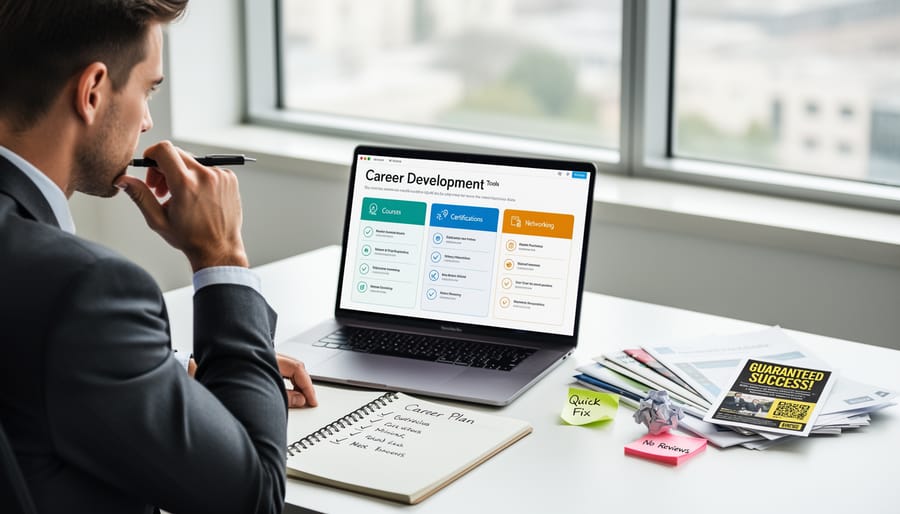
Before diving into career development tools, recognize that poor planning creates more problems than it solves. Many students and young professionals fall into three costly traps: expecting instant results, drowning in too many platforms, and sharing sensitive information without considering the consequences.
Career counselors consistently see students expect transformation overnight. Building a professional presence takes months, not weeks. Tools accelerate the process, but they can’t replace the time needed to develop genuine skills, relationships, and industry knowledge. Setting realistic milestones (three informational interviews this month, two skill certifications this quarter) prevents disappointment and keeps momentum going.
The comparison trap derails countless young professionals on platforms like LinkedIn. Scrolling through curated highlight reels of peers landing dream jobs or earning promotions triggers anxiety and self-doubt. Remember that you’re viewing edited snapshots, not complete stories. Someone’s polished post about their new role doesn’t show the rejections they faced or the years of groundwork they laid.
Privacy deserves serious attention when using career tools. Before uploading your resume to any platform, review its data-sharing policies. Some free tools sell user information to recruiters or third-party advertisers. Never include your full address, social security number, or references on public profiles. Even features like online accessibility settings matter, check who can view your contact details and activity.
Start with clear boundaries about what you’ll share and which tools serve your actual needs, not just the ones everyone else uses.
Step-by-Step: How to Leverage Career Development Tools Effectively
Step 1: Assess Your Current Position and Goals
Start with the free tools already at your fingertips. Career assessment platforms like 16Personalities or MyPlan offer personality frameworks that reveal how you work best, whether you thrive in structured environments or creative roles. Skills inventories, available through university career centers or LinkedIn’s Skills Assessment, identify your strongest competencies and gaps worth filling. For self-assessment for values try exercises like listing your top five non-negotiables in a job (flexibility, impact, salary, learning opportunities) and ranking them honestly.
Don’t treat results as gospel. A test labeling you an “introvert” doesn’t disqualify you from sales roles; it means you’ll recharge differently than extroverted colleagues. Look for patterns across multiple assessments rather than fixating on one label. Write down three concrete takeaways from each tool: “I need clear project deadlines,” “I’m energized by problem-solving,” “I value work that helps people directly.” These insights become the foundation for every decision ahead.
Step 2: Research Career Paths and Market Opportunities
With your self-assessment complete, start investigating realistic career options using labor market information tools like O*NET Online, LinkedIn Economic Graph, and the Bureau of Labor Statistics. These platforms reveal which industries are hiring, what skills they prioritize, and where salaries trend upward. Filter by remote work availability if location flexibility matters to you, and cross-reference multiple sources rather than relying on a single dataset.
Explore alternative career paths that match your values and strengths but don’t follow traditional trajectories, many growing fields blend disciplines in unexpected ways. Use informational interview platforms like Lunchclub or your university’s alumni network to speak with professionals actually working in roles that interest you. Ask specific questions about daily responsibilities, required skills, and how they broke into the field. Industry reports from trade associations and professional organizations provide insider perspectives that generic job boards miss.
Document patterns you notice across conversations and research: recurring skill requirements, common entry points, and realistic timelines for advancement. This evidence-based approach prevents you from chasing outdated career advice or overlooking opportunities that align perfectly with your assessment results.
Step 3: Build Your Skills Through Targeted Learning Tools
Once you’ve identified your target career path, bridge the gap between where you are and where you need to be through strategic skill development. Start with platforms like Coursera, edX, or LinkedIn Learning, which partner directly with universities and employers to offer industry-relevant courses. Filter by credentials that matter in your field, many job postings explicitly list preferred certifications.
Check which tools your university career center recommends or subsidizes. Many institutions provide free access to platforms like Skillshare or offer co-branded certificates that carry weight with employers. If you’re in a regulated profession, identify requirements early to stay current with CE throughout your career.
Don’t collect certificates randomly. Choose 2-3 skills that appear repeatedly in job descriptions you’re targeting. Complete one course fully before starting another, employers value demonstrated mastery over a long list of abandoned programs. Track your learning in a dedicated section of your resume or portfolio, noting specific projects or competencies gained rather than just course titles.
Step 4: Create and Optimize Your Professional Brand

Your professional brand is your digital first impression, and the right tools make building it straightforward. Start with a resume builder like Canva, Novoresume, or your university’s career portal templates, these guide you through formatting decisions and prevent common mistakes like dense text blocks or irrelevant details. Focus on quantifiable achievements rather than job duties: “Increased social media engagement by 40%” beats “Managed social media accounts.”
Next, create a LinkedIn profile that mirrors your resume but expands on your story. Use LinkedIn’s built-in headline generator or career interest settings to signal what roles you’re pursuing. Upload a professional headshot (your phone’s portrait mode works fine), write a summary that states your career direction clearly, and add projects or coursework to the featured section, students often overlook this space where you can showcase presentations, research papers, or group projects.
For creative fields, portfolio platforms like Behance, GitHub, or a simple WordPress site let you demonstrate actual work. Choose one platform and make it polished rather than spreading yourself thin across multiple half-finished profiles. Link everything together: your resume should include your LinkedIn URL, and your LinkedIn should link to your portfolio.
The key action for beginners: optimize your LinkedIn profile first, then build outward. Recruiters search there most frequently, and a complete profile increases your visibility in their searches by up to 40 times according to LinkedIn’s own data.
Step 5: Connect and Network Using Digital Platforms
Networking tools transform cold outreach into warm conversations when you use them strategically. Start with LinkedIn’s Alumni tool to find graduates from your institution working in your target field, shared background creates instant common ground. Send personalized connection requests that reference specific aspects of their career path rather than generic “I’d love to connect” messages.
Virtual coffee chat platforms like Lunchclub and Icebreaker match you with professionals based on shared interests, removing the awkwardness of initiating contact yourself. Set your availability for 30-minute sessions once or twice weekly to maintain consistency without burnout.
Join industry-specific Slack communities and Discord servers where professionals share insights and opportunities. Contribute meaningfully by asking thoughtful questions and sharing relevant resources rather than immediately asking for favors. The goal is building genuine relationships over time.
Use Calendly or similar scheduling tools to make it easy for busy professionals to meet with you. When someone agrees to chat, prepare three specific questions that show you’ve researched their work. Follow up within 24 hours with a thank-you note and one concrete takeaway from your conversation, this positions you as someone worth staying connected with.
Step 6: Track Progress and Adjust Your Strategy
Career development isn’t a one-time effort, it requires regular check-ins to ensure you’re moving in the right direction. Set a weekly or bi-weekly time to review your progress using simple tracking methods. A spreadsheet or notes app works well: log networking conversations, completed courses, applications sent, and skills practiced. This habit reveals patterns quickly, maybe your LinkedIn engagement plateaued, or you’re investing energy in tools that haven’t yielded results.
Here’s the complete process for effective career development:
- Assess your current position and identify clear goals using self-assessment tools
- Research career paths and opportunities aligned with your strengths and interests
- Build relevant skills through targeted learning platforms and certification programs
- Create and optimize your professional brand across resume and digital platforms
- Connect with professionals and expand your network using digital tools
- Track progress regularly and adjust your strategy based on what’s working
Watch for warning signs that a tool isn’t serving you. If you’ve spent three months on a platform without meaningful connections or insights, that’s your signal to try something different. Feeling drained or overwhelmed after using a particular tool? Your energy matters, swap it for one that feels more natural. Progress doesn’t always look like forward motion. Sometimes the most valuable adjustment is narrowing your focus, dropping underperforming tools, and doubling down on what’s actually moving the needle.
How to Know It’s Working: Measuring Success and Next Steps
You’ll know your career development tools are delivering results when you start seeing concrete changes in your professional life. The clearest early indicator is goal clarity, you should have a specific answer when someone asks about your career direction, rather than vague uncertainty. Your network should grow measurably: new LinkedIn connections who actually engage with your content, alumni contacts who respond to your outreach, or professionals who agree to informational interviews.
Watch for tangible professional opportunities appearing. These might include interview invitations for positions that align with your goals, recruiters reaching out after discovering your optimized profile, or colleagues asking you to contribute to projects based on skills you’ve been building. Skill certifications and completed courses represent verifiable progress, but the real test is whether you can explain what you learned and apply it in practical situations.
Short-term wins, a stronger resume, an informative conversation with a mentor, clarity about which skills to prioritize, should appear within weeks. Longer-term indicators take three to six months: a portfolio that showcases real work, substantive relationships with industry professionals, or genuine shifts in how you present yourself professionally.
If progress stalls, don’t abandon all tools at once. Instead, identify which activities produce results and which feel like busywork. Maybe your networking efforts generate meaningful conversations but your LinkedIn content gets no engagement. Double down on what works. Seek feedback from career counselors or mentors about whether you’re using tools strategically or just going through motions.
The next step depends on your momentum. Strong progress means expanding your toolkit, adding advanced skills training or exploring adjacent career paths. Slow progress means simplifying, focus on one or two high-impact tools rather than spreading effort thin. Either way, schedule monthly check-ins with yourself to assess what’s working and adjust your approach accordingly.
Choosing the Right Tools for Your Situation
Selecting career development tools isn’t one-size-fits-all. Your circumstances, goals, and resources should guide which platforms and programs deserve your attention.
If you’re working with a tight budget, start with free institutional resources. Most universities offer career assessment tools, resume builders, and networking platforms through career services at no additional cost. LinkedIn’s free tier provides essential networking features, while platforms like Coursera and edX offer auditing options that let you access course materials without paying for certificates. Save premium subscriptions for tools you’ll use consistently.
Your career stage matters significantly. Current students benefit most from campus career centers, which understand academic schedules and entry-level job markets. Career changers need tools that help translate existing skills into new contexts, platforms like SkillsYou and PathSource excel at identifying transferable competencies. Young professionals advancing within their field should prioritize industry-specific networking groups and specialized certifications that demonstrate expertise.
Industry focus shapes tool selection dramatically. Creative professionals need portfolio platforms like Behance or Adobe Portfolio that showcase visual work, while technical roles require GitHub profiles and coding challenge platforms like LeetCode. Service industry professionals gain more from customer service certifications and scheduling tools than from traditional portfolio builders.
Learning style influences which development tools you’ll actually use. Visual learners thrive with video-based platforms like Skillshare, while analytical thinkers prefer structured programs with clear metrics. If you learn best through conversation, prioritize mentorship matching platforms and virtual networking events over self-paced courses.
Career counselors consistently recommend starting small. Choose two or three tools aligned with your immediate goal rather than creating accounts across a dozen platforms. Students with accessibility needs should specifically seek resources that address hidden barriers in professional development, ensuring the tools you select support rather than complicate your journey.
Common Questions About Career Development Tools
How much time should I realistically spend on career development tools each week?
Start with two to three hours weekly, broken into smaller sessions. This gives you time to complete skill-building exercises, update your profiles, and engage meaningfully without burning out or letting other responsibilities slide.
Are free tools good enough, or should I invest in premium versions?
Free tools provide solid foundations for most students and early-career professionals. Upgrade to paid versions only when you’ve maxed out free features and can identify specific premium capabilities that address a clear gap in your strategy.
How do I avoid feeling overwhelmed when everyone recommends different tools?
Pick three tools maximum to start: one for skill-building, one for networking, and one for tracking progress. Master these before adding others, and remember that consistency with fewer tools beats sporadic use of many.
When should I stop trying on my own and seek professional career guidance?
Reach out to a career counselor if you’ve been stuck in the same stage for three months, feel completely lost about direction, or face major transitions like changing industries. Most university career centers offer free consultations that complement tool usage.
What do I do when progress feels slow and I lose motivation?
Document small wins in a progress journal, completed courses, new connections, updated resume sections. Review this list when motivation dips to see tangible evidence of movement, and adjust your goals to shorter milestones that feel achievable within two weeks.
Can I use career development tools if I don’t know what I want to do yet?
Yes, self-assessment and exploration tools work best when you’re uncertain. Start with personality assessments and informational interview platforms to discover options rather than committing to a specific path immediately.
The beauty of career development tools is their flexibility. You don’t need perfect clarity or unlimited time to benefit from them. Many students worry they’re using tools “wrong” or not seeing results fast enough, but career growth rarely follows a straight line. What matters is showing up consistently, even if that means fifteen minutes between classes to update a skill on your profile or sending one networking message before bed.
Your approach will shift as your situation changes. Right now you might focus heavily on learning platforms to build technical skills, while six months from now networking tools might take priority as you prepare for job applications. This evolution is normal and healthy. The tools that serve you as a college sophomore won’t necessarily be the same ones you rely on as a graduating senior or career changer.
Trust that you’ll develop intuition about which tools deserve your energy and which ones create busy work without real progress. Pay attention to what actually moves you forward versus what just feels productive. Sometimes closing five browser tabs and focusing on one meaningful action beats spreading yourself thin across every recommended platform.
Building your professional future doesn’t require access to every career development tool available. What matters is choosing the right tools for your situation and using them consistently. Whether you start with a simple self-assessment platform or focus on LinkedIn optimization, you’re taking meaningful action toward your career goals.
The students and young professionals who succeed aren’t necessarily the ones using the most tools, they’re the ones who commit to a few key resources and integrate them into regular practice. Pick one or two tools from this guide that address your most immediate needs. Master those before expanding your toolkit.
Career development is a journey, not a destination, and your needs will evolve as you gain experience and clarity. The tools that serve you as a university student might differ from those you’ll need three years into your first role. That’s perfectly normal.
At Student Futures, we’re committed to supporting you at every stage with resources grounded in educational expertise and industry insights. Check back regularly for updated tool recommendations, success stories from professionals who started where you are now, and guidance from career counselors who understand today’s job market. You’ve got this.